DevOps is one of the hardest B2B audiences to reach with traditional demand generation. VP Engineering personas have seen every outbound play. They do not respond to cold emails about "revolutionizing your deployment pipeline." They do not attend webinars that are thinly veiled product demos. They do not engage with content that talks down to them.
The webinar agencies that generate pipeline for DevOps companies in 2026 are the ones that have cracked this specific audience challenge. I have run webinar programs across dozens of B2B categories. DevOps is genuinely different. The tolerance for fluff is near zero.
What DevOps Buyers Actually Attend
DevOps buyers attend events that are:
- Practitioner-led. A session presented by a principal engineer at a company they respect carries more weight than a panel of marketing VPs. The invitation framing should make clear that this is a peer conversation, not a vendor pitch.
- Technically specific. "How we reduced deployment failure rate by 34% using feature flag orchestration" beats "The future of DevOps" every time. Specificity signals credibility.
- Opinionated. DevOps practitioners respect POVs. A session that takes a clear position on a contested architectural or process question will outperform a balanced, "on the one hand, on the other hand" format.
- Compact. 45-minute live sessions with 15 minutes of Q&A consistently outperform 90-minute formats for technical audiences.
When I ran a webinar program on AI regulation, topic selection alone drove 754 signups in 26 days with zero ad spend. The subject was something buyers already wanted to discuss, with a voice they already trusted. That principle applies directly to DevOps. Pick the fight the community is already having.
What to Look for in a DevOps Webinar Agency
Audience access. The best DevOps webinar agencies have existing relationships with DevOps communities, publications, and influencers. They do not start from a cold list every time. My own live show, Risk Takers, draws 460 to 577 live senior attendees per episode, built from zero, because the invitation network is warm, targeted, and maintained between events.
ICP list-building capability. DevOps companies typically need to reach VP Engineering, Director of Platform, SRE leads, and DevOps managers. The agency should be able to build and validate a target list at that level of precision before the event goes live. Vague targeting is where most programs bleed out quietly.
Follow-up motion. The webinar is the beginning of the pipeline motion, not the end. The best agencies have a structured post-event follow-up: who attended, what they engaged with, which ones asked questions, and a tiered outreach sequence that starts with the hottest accounts.
Conversion to meeting. The metric is qualified meetings booked, not registrant count. I have generated 43 qualified meetings in 60 days from a single event campaign. Registrant counts are a vanity number unless the follow-up motion is built before the event runs.
From my own work: I have run recurring event series producing 300 to 800 registrations per event across technical B2B audiences. The programs that converted to pipeline all shared one trait. The follow-up was designed before the event went live, not after. Agencies that build the post-event sequence after the fact are leaving most of the value on the table.
What to Avoid in a DevOps Webinar Agency
- Agencies that run generic "thought leadership" content with no DevOps-specific positioning.
- Agencies whose only differentiation is a large email list with no list quality validation.
- Agencies that deliver a registrant count at the end and call it success without measuring meeting conversion.
- Agencies that pitch before they have built the foundation. Avatar clarity, message fit, and offer structure have to come before any distribution motion. Scaling a weak message just means more people see something that does not work.
The Content Formula That Works for DevOps Webinars
Best formats in 2026:
- Technical deep-dives with a practitioner from a recognizable DevOps organization
- "How we did it" case studies with specific metrics: deployment frequency, change failure rate, mean time to recovery
- Controversial takes on platform engineering, platform teams, or internal developer portals, topics with genuine disagreement in the community
- Benchmark data releases where the webinar is the primary channel for new data
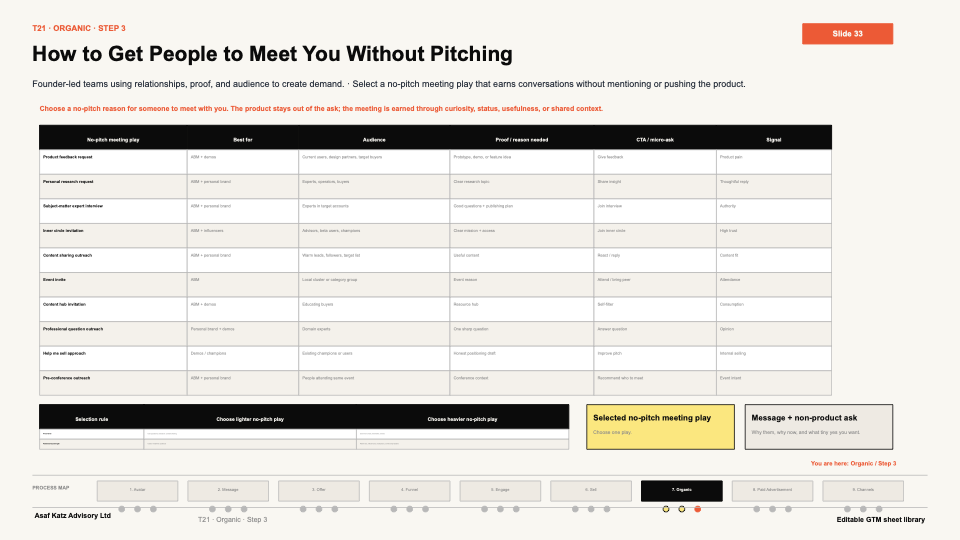
One more point on format: across hundreds of campaigns, event invites get accepted 40 to 50 percent of the time. Pitch outreach to the same lists gets 5 to 10 percent. The ask is the variable. Frame the invite as a peer conversation, not a product session, and your registration rate moves before you change anything else.
Who Should Use a DevOps Webinar Agency
DevOps companies selling to VP Engineering and platform engineering buyers with deal sizes above $50K ACV benefit most from webinar-led pipeline programs. Below that deal size, the economics of a managed webinar program are harder to justify versus self-run events.
One check worth doing before you hire anyone: be honest about whether your Foundation is solid. That means a clear ICP, a message that speaks to a specific pain, and an offer the buyer can say yes to. A webinar agency amplifies whatever exists. If the foundation is shaky, the program will produce registrants who never convert.
Take the free 60-second check to see how LinkedOtter builds webinar-led pipeline for DevOps companies.