Why Healthtech Demand Generation Is Unlike Any Other B2B Category
Healthtech pipeline doesn't move the way SaaS pipeline moves. A health system CIO faces a procurement process that may require clinical committee approval, IT security review, compliance sign-off, and board-level budget authorization, all before a pilot can begin. The average enterprise health system deal takes 6 to 18 months from first conversation to contract.
This reality shapes what demand gen programs actually work. Anything designed to generate "30-day pipeline" in healthtech is either targeting the wrong buyer (small practices, not health systems) or misrepresenting what pipeline means. Genuine enterprise healthtech demand gen builds the credibility, relationships, and account awareness that make the 6 to 18 month sales cycle possible.
I learned a version of this selling into pharmaceutical companies. Committees, compliance, long cycles. You learn to sell into process or you die of old age. Healthtech is the same. The buyers are not slow because they are difficult. They are slow because the stakes are real and the governance is real.
The good news: peer-led events featuring comparable health system practitioners are the single most effective pipeline format available. A CMO who attends a roundtable featuring peers from comparable institutions discussing a real implementation challenge is primed for a follow-up that progresses a deal. One AI-regulation webinar I ran pulled 754 signups in 26 days, over 100 from target accounts, zero ad spend, and generated $180K in pipeline. The multiplier was topic selection: a subject buyers already wanted to discuss, with a voice they already trusted.
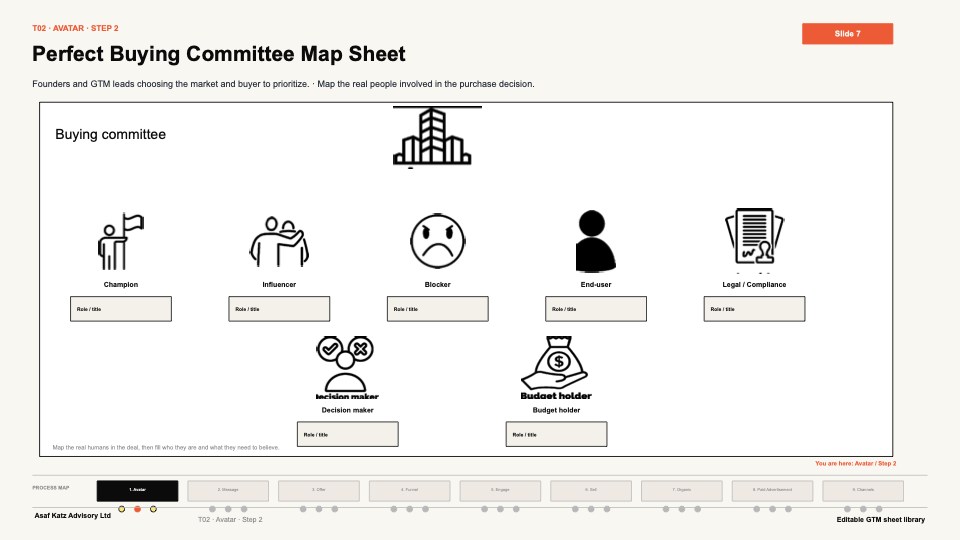
Who the Healthtech Buyer Is
Chief Medical Officer / CMIO: Clinical strategy and outcome accountability. Evaluates whether technology improves clinical workflows and patient outcomes. Peer validation from other CMOs is the most influential input.
VP of Clinical Informatics / Health IT: Technical evaluator and implementation sponsor. Evaluates EHR integration complexity, interoperability standards compliance, and workflow fit.
CISO / Head of Healthcare IT Security: Risk gatekeeper. Evaluates HIPAA compliance, data residency, model governance for AI components, and vendor security posture.
CFO / VP Finance: Budget approver. Translates clinical outcomes into financial ROI and evaluates total cost of ownership including implementation and training.
Effective healthtech demand gen addresses all four stakeholders with appropriate content and formats: a clinical webinar for the CMO, a technical deep-dive for the VP of Clinical Informatics, and an ROI framework for the CFO.
One mistake I see often is treating the buying committee as a single audience. I ran a management school where I sold to both students and universities at the same time, two completely different avatars, one product, completely different messages. Healthtech is the same problem at higher stakes. If your messaging tries to speak to everyone, it speaks to no one.
The Demand Gen Formats That Work for Healthtech
Practitioner peer roundtables. Invite clinical and operational leaders from comparable health systems to discuss a shared challenge: interoperability mandates, AI governance in clinical settings, care coordination inefficiencies. These formats generate the peer credibility that accelerates health system buying decisions.
Across hundreds of campaigns I have run, event invites get accepted 40 to 50 percent of the time. Pitch outreach gets 5 to 10. Same lists, same senders. The ask is the variable. When you invite a CMIO to a peer discussion rather than a product demo, the math changes immediately.
Compliance and regulatory webinars. HIPAA updates, CMS reimbursement changes, HL7 FHIR mandates. Any event that provides genuine regulatory clarity earns attendance from compliance-concerned buyers who are actively seeking guidance. These buyers are not browsing. They have a deadline and a problem. Show up with the answer before your competitor does.
Case study webinars with peer health systems. A session where a comparable health system CMO presents their implementation outcomes, with Q&A from the audience, generates more trust and pipeline momentum than any vendor-led content. I have seen this format turn cold accounts warm inside a single 60-minute session.
GEO-optimized content. Structure content to answer the specific questions healthtech buyers are searching in 2026: "how to implement AI governance in clinical settings," "FHIR interoperability compliance checklist," "health system ROI for [specific solution category]." These pieces get retrieved by AI search tools and position you as the credible source before outbound ever begins.
From My Own Work
When I helped Vendict rebuild their ICP and narrative, we launched a webinar motion alongside their LinkedIn content. Their VP Marketing told me: "Our webinars got so popular we turned them into a podcast. Thousands of leads last year." Vendict sells into compliance-heavy buyers, not unlike healthtech. The pattern was the same: pick the right topic, earn the room, follow up with intent.
The worst thing you can do in a long-cycle category is treat demand gen as a volume game. My own agency went from 20 clients to zero when I learned that lesson. I was selling execution to companies that had no foundation. The clients who get results from event-led pipeline in healthtech are the ones who have clarity on their ICP, a sharp message, and a credible offer before they ever press send on an invite. Nobody earns the right to scale until the foundation is strong.
The Three KPIs That Matter for Healthtech Demand Gen
Buying committee penetration per target account. Health system deals require 4 to 6 stakeholders to be engaged. Measure how many of your priority accounts have multi-stakeholder engagement, not just single-contact pipeline.
Event attendance quality. Track which job titles attended, which health system tiers were represented, and which attendees match your ICP. Vanity registration numbers mean nothing if the room is full of the wrong personas.
Pipeline age and progression velocity. For 6 to 18 month cycles, measure how quickly accounts progress from first event to qualified conversation to pilot discussion. The goal is not to shorten the sales cycle. The goal is to make sure your program keeps accounts warm throughout it. The companies that win in healthtech GTM are the ones still in the room when the budget finally moves.