Lead Generation for SaaS Companies in 2026: From Trial Signups to Enterprise Pipeline
SaaS companies in 2026 face a lead generation paradox: the tactics that fill a trial signup funnel (paid social, content marketing, free tier offers) almost never generate enterprise pipeline. Enterprise VP and C-level buyers at 500-plus-person companies do not self-serve into your trial. They respond to peer-validated evidence, targeted event invitations, and account-specific outreach that demonstrates understanding of their specific context.
The companies hitting their enterprise SaaS pipeline targets in 2026 have built two separate lead generation motions: one for SMB and mid-market, and a fundamentally different one for enterprise. Treating them as variations of the same funnel is the most common expensive mistake in SaaS go-to-market. I have seen it kill otherwise solid products.
The SaaS Enterprise Buying Journey in 2026
Enterprise SaaS deals in 2026 involve an average of 10 or more stakeholders and take 3 to 9 months to close. The buying journey starts not with a demo request but with a problem recognition. A VP of Engineering, CFO, or CMO notices that the current solution is insufficient and begins researching alternatives.
That research increasingly starts in AI chatbots. 51% of B2B software buyers now begin their vendor research in an AI assistant rather than Google. If your SaaS brand is not being cited in AI responses to the questions your enterprise buyers are asking, you are invisible in the early shortlist process.
Enterprise SaaS lead generation therefore has two phases: generating AI search visibility so you appear in early-stage research, and converting that visibility into qualified meetings through events and account-specific outreach.
What Actually Works for Enterprise SaaS Lead Generation
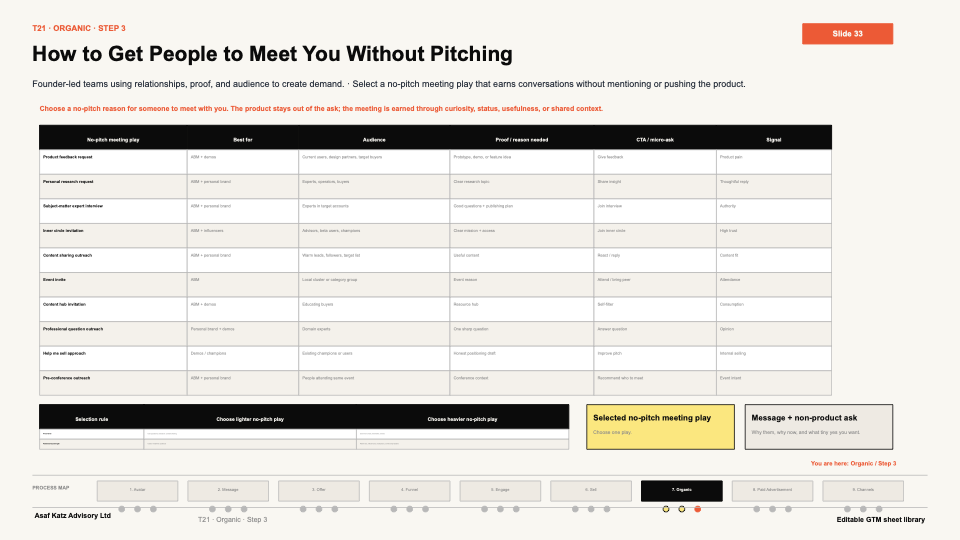
Event-led pipeline. A live webinar built around the problem your enterprise ICP is actively trying to solve attracts the right buyers in a high-trust context. The VP of Engineering attends to learn. Your brand hosts the conversation. The follow-up is warm because the attendee chose to show up.
I ran one AI-regulation webinar that pulled 754 signups in 26 days. More than 100 came from target accounts. Zero ad spend. It generated $180K in pipeline. The reason it worked was topic selection: a subject buyers already wanted to discuss, with a voice they already trusted. The webinar did not sell anything. It convened a conversation. That distinction is everything.
Event invites also convert differently than pitch outreach. Across hundreds of campaigns I have tracked, event invitations get accepted 40 to 50 percent of the time. Pitch outreach to the same lists gets 5 to 10 percent. Same contacts, same senders. The ask is the variable.
GEO content that appears in AI research. Structured, fact-dense content built around the exact questions enterprise SaaS buyers ask during vendor evaluation: comparison guides, implementation case studies, ROI frameworks, integration documentation. This is what gets cited in AI chatbot responses and in Google AI Overviews. Generic blog posts do not make the cut. Specific, opinionated, evidence-backed content does.
Signal-based account selection. Do not target everyone in your ICP firmographic range. Identify accounts that are actively in a buying window. Companies posting roles that indicate budget for your category. Companies changing their tech stack in adjacent areas. Companies that recently received funding with your use case in the investment thesis. Work those accounts first.
Executive-level outreach from warm contexts. A VP of Marketing who attended your webinar last week responds very differently to a follow-up message than a cold contact. The event creates the warm context that makes the outreach feel like a continuation, not an interruption.
I worked with Kovrr, a cyber risk quantification company, on exactly this sequence. We rebuilt their enterprise story buyer-problem-first, then ran the outreach from that foundation. They closed 9 enterprise deals in one quarter. They had needed 4 to hit their fundraising quota. Their CEO moved almost their entire lead generation to this process.
The Two-Track SaaS Lead Gen Model
For SaaS companies with both SMB and enterprise ICPs, you need two separate machines.
SMB and mid-market track: Inbound content, paid social, product-led trials, community presence, and email nurture. Optimize for volume and self-service discovery.
Enterprise track: Account-based event invitations to named ICP accounts, signal-based outreach to in-market contacts, peer-led webinars, executive roundtables, and structured follow-up with the highest-intent contacts. Optimize for meeting quality and deal size.
The enterprise track requires higher investment per account. The return justifies it. Enterprise SaaS ACV is typically 10 to 50 times higher than SMB ACV. One Kovrr-style quarter pays for months of investment.
One important correction I make often: none of this works if the foundation is broken. Before you run any of these motions, your ICP needs to be precise, your message needs to match the buyer's actual pain, and your offer needs to be clear. AI tools and event automation will amplify whatever you feed them, including the broken parts. Fix the foundation first. Then scale.
Take the free 60-second check to see how I build enterprise SaaS pipeline for your specific ICP and target accounts.