CFOs, Treasurers, and FinOps leaders do not attend webinars to see vendor demos. They attend to solve problems. Specifically, problems they know they will be asked about by their board, their regulator, or their CEO. Webinar marketing for payments companies succeeds when the event gives these buyers something they need, not when it gives the vendor a chance to present.
This distinction sounds simple. Most payments company webinar programs miss it entirely by designing events around their own feature roadmap rather than around their buyer's live regulatory and operational priorities.
I learned this the hard way. One AI-regulation webinar I ran pulled 754 signups in 26 days, over 100 from target accounts, zero paid ads, and generated $180K in pipeline. The topic was not about the product. It was about a subject buyers already wanted to discuss, with a voice they already trusted. That is the entire formula.
What Topics Pull CFOs and Finance Leaders Into Webinars?
The topics that consistently generate high attendance from payments buyers in 2026:
Regulatory change preparation. FedNow instant payment adoption timelines, PCI-DSS 4.0 implementation requirements, cross-border payment regulation in target markets. These are compliance mandates. CFOs attend because they have to, not just because they want to.
Peer benchmarking on financial operations. "How three mid-market CFOs reduced payment processing costs by 23%" is specific, peer-validated, and outcome-oriented. Finance leaders benchmark against their peers constantly. Events that facilitate that conversation fill quickly.
Fraud and security in payments. B2B payment fraud is accelerating. A CFO who has had a fraud event, or fears one, will attend a webinar on fraud prevention with high intent. A peer CISO or Head of Risk presenting their actual fraud response story is compelling content. A vendor walking through their feature set is not.
Real-time payments operational impact. The shift to real-time payment infrastructure is creating genuine operational headaches for treasury teams. Events that help finance leaders navigate this transition attract exactly the right buying committee for real-time payments solutions.
The thread connecting all four topics: the buyer has a problem they will be held accountable for. Show up with insight on that problem and you earn the room.
How to Fill a Payments Webinar With the Right Contacts
The invitation strategy matters more than the promotion budget. A $50,000 paid media campaign targeting "finance professionals" will fill a room with the wrong people. An account-based invitation campaign targeting 400 named companies your sales team actually wants to close will fill it with buyers.
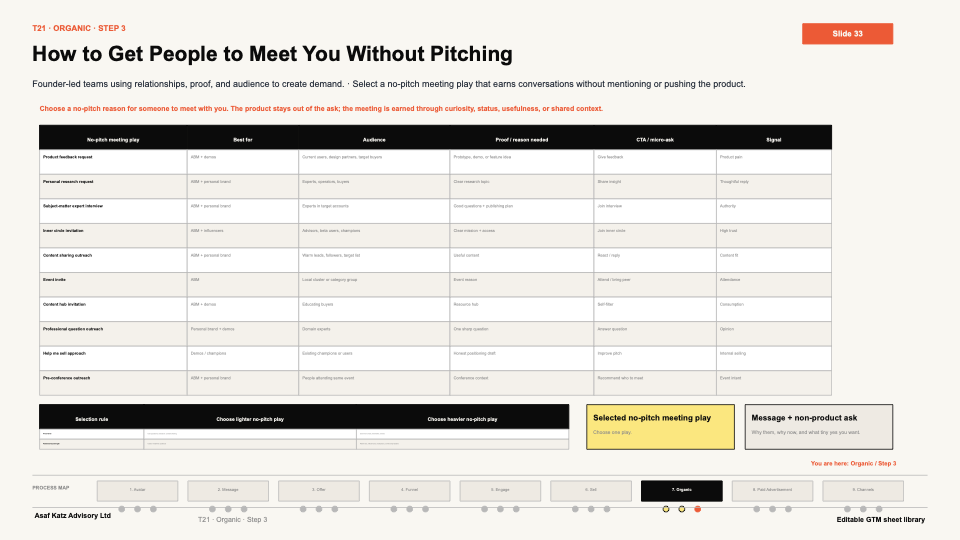
I have tracked invite acceptance rates across hundreds of campaigns. Event invites get accepted 40 to 50 percent of the time. Pitch outreach to the same lists gets 5 to 10 percent. Same people, same senders. The ask is the only variable. Frame it as an invite, not a pitch.
The invitation process that works for payments companies:
- Build a named account list of 300 to 600 target companies, filtered by vertical, size, and payment infrastructure signals
- Identify CFO, VP Finance, Treasurer, and FinOps contacts at each account
- Send a personally addressed invitation from a senior voice, not a company email, referencing a specific regulatory or operational challenge relevant to the recipient's industry
- Follow up once with a different angle before the event
- Remind registered attendees 24 hours before with a preview of the peer case study they will hear
That process is how you get 100 CFO and finance leader registrations from target accounts. That is not a vanity number. That is a pipeline list.
Converting Payments Webinar Attendance to Pipeline
The follow-up motion for payments webinars must match the risk profile of the buyer. CFOs do not respond to a generic "let's book a demo" message after attending a webinar. They are sophisticated, risk-averse, and usually sitting in a buying committee where one wrong vendor move kills the deal.
From my own work, the follow-up that actually converts:
Reference a specific moment from the event. "You asked about [specific question from Q&A]. I have a relevant case study and 20 minutes with our CFO to walk through it." That level of specificity earns a response. Generic follow-up earns nothing.
Frame the next step as low-commitment. A 20-minute "peer perspective call" where your fractional CFO or a customer success leader discusses one specific challenge is far less threatening than a "product demo." I sold into pharmaceutical companies for years. Long buying cycles, committees, compliance layers everywhere. The lesson: make the next step small enough that a compliance-minded buyer can say yes without a procurement review. Payments buyers are the same.
Sequence by intent score. Full-session attendees who asked questions convert at the highest rates. Prioritize them first. Partial attendees and no-shows get a different, lighter touch. Do not treat a 6-minute drop-in the same as someone who stayed for 52 minutes and raised their hand twice.
One more thing on follow-up: the goal of the webinar is not to close a deal. The goal is to earn the right to a conversation. Once you understand that, the pressure comes off and the messaging gets better.
Take the free 60-second check to see if this payments webinar pipeline motion fits your target accounts and buyer personas.