What Is Pipeline Generation?
Pipeline generation is the process of creating qualified sales opportunities for your revenue team. A pipeline opportunity has specific characteristics that distinguish it from a lead: a real company, a real decision-maker engaged, a defined problem your solution addresses, and a realistic path to a buying decision.
Pipeline generation is the output metric that matters most in B2B sales. Marketing teams that measure success by MQLs often deliver volume without quality. Pipeline generation forces accountability to the actual metric that drives revenue.
When someone says a program generates pipeline, they mean it produces opportunities where:
- A named account is in active evaluation
- At least one decision-maker or influencer is engaged
- The deal size and timeline are credible
- The sales team has agreed the opportunity is qualified
Pipeline Generation vs. Lead Generation
The terms are often used interchangeably but they describe fundamentally different outcomes.
Lead generation produces contacts who have expressed interest: a form fill, an email reply, a conference badge scan. Leads require significant qualification work before they are useful to sales.
Pipeline generation produces qualified opportunities that are already sales-ready. The qualification has already happened, either through inbound self-qualification or through a high-intent engagement signal like live event attendance.
In practice, demand gen programs generate leads that need to be converted to pipeline. The best programs generate pipeline directly, bypassing the lead qualification problem entirely.
Why Pipeline Generation Is the Right Metric in 2026
MQL-obsessed demand gen has produced years of disappointment for B2B sales teams. Marketing delivers 200 MQLs. Sales qualifies 15. Closes 3. The disconnect is real: an MQL is a promise of intent that rarely holds up under sales scrutiny.
I have watched this play out with dozens of companies. The teams that broke the cycle had one thing in common: they stopped optimizing for the hand-off metric and started optimizing for the thing sales actually cares about. Qualified pipeline. Not volume.
In 2026, the strongest B2B companies have shifted to pipeline as the primary demand gen metric. That means:
- Events that produce attendees who become opportunities, not just registrations
- Content measured by pipeline influenced, not just traffic generated
- Outbound measured by qualified meetings that enter pipeline, not email replies
The Foundation Problem Nobody Talks About
Here is the thing I keep seeing: companies try to generate pipeline before they know who they are generating it from. Wrong avatar, weak message, vague offer. Then they wonder why leads do not convert.
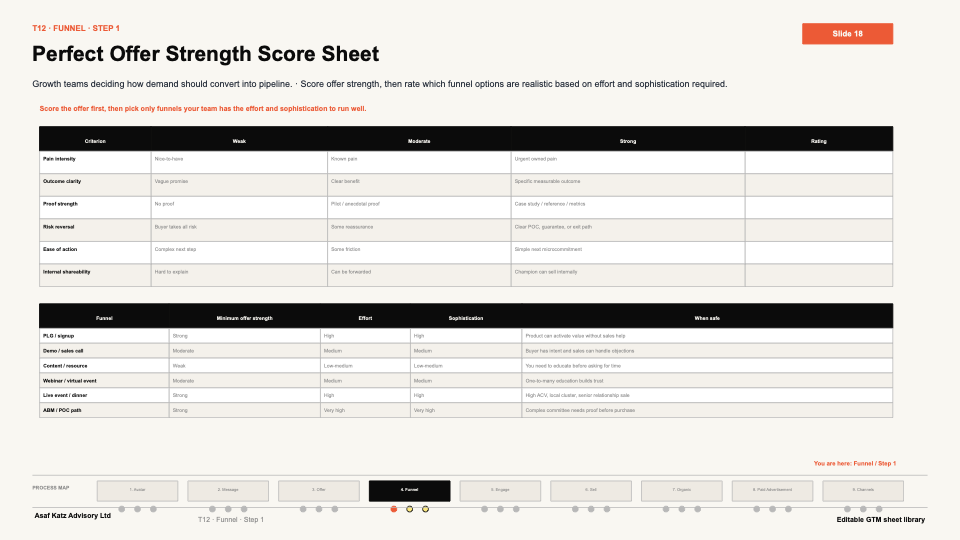
My own agency went from 20 clients to zero. The diagnosis was brutal: I was selling execution while clients needed foundation. I rebuilt everything around getting the foundation right first. Avatar clarity, a message that speaks to a real problem, an offer the buyer can evaluate. Only then does any pipeline motion work. AI amplifies whatever exists, including the broken parts.
If your pipeline generation is underperforming, the first question is not "which channel?" It is "is the foundation solid?"
How Live Events Generate Pipeline Directly
Events are the most reliable pipeline generation channel I have found in B2B. The reason is structural. A buyer who shows up to a live event has already self-qualified. They gave you an hour. They care about the topic. The follow-up conversation is warm because they know you from the event, not from a cold sequence.
I ran a single AI-regulation webinar that pulled 754 signups in 26 days, over 100 from target accounts, zero ad spend. It generated $180K in pipeline. The driver was not distribution. It was topic selection: a subject buyers already wanted to discuss, with a voice they already trusted.
Across my event series, registration rates run 300 to 800 per event. My live show, Risk Takers, draws 460 to 577 live senior attendees per episode, built from zero.
At RSA, one person with no booth and no brand booked 38 C-level meetings from 1,266 prospects using 12-word openers and role-matched senders. No pitch. Just relevance.
The data point that explains all of this: event invites get accepted 40 to 50 percent of the time. Pitch outreach gets 5 to 10. Same lists, same senders. The ask is the variable.
Real pipeline numbers from event-led programs:
- 43 qualified meetings in 60 days from a single event series
- 754 event signups in 26 days generating direct pipeline opportunities
- 38 C-level meetings booked from 1,266 prospects at a single conference
What Good Pipeline Generation Looks Like in 2026
A well-run pipeline generation program produces opportunities with specific attributes: decision-makers engaged (not just practitioners), deal size in the range your company closes, buyers who understand the problem and are actively seeking a solution, and a timeline within your quarter or the next.
The channels that consistently produce these opportunities: live events, warm referrals, and signal-based outreach to accounts showing active buying intent.
The order matters too. Get the foundation right first. Then choose the channel. Then scale what works.
See how I generate pipeline through events. See what it costs. See the proof.